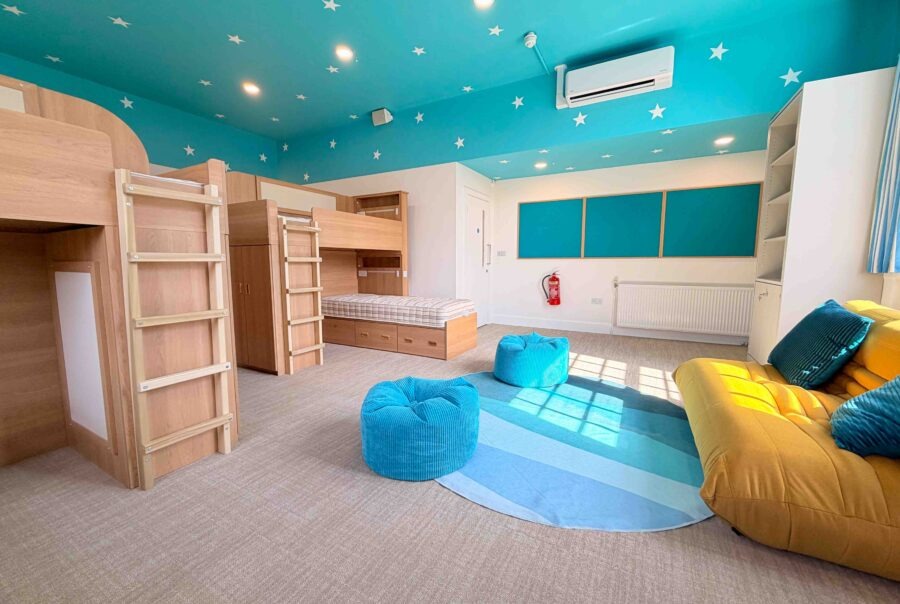

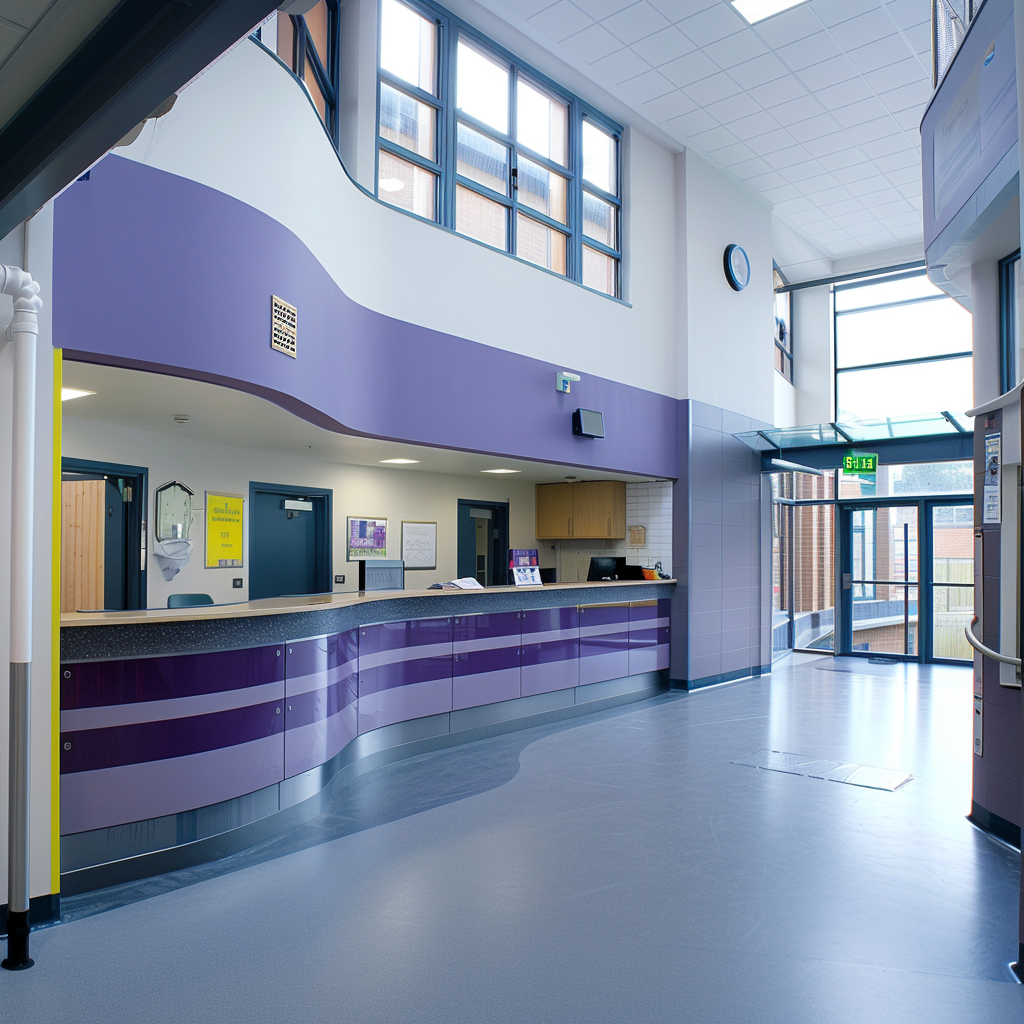
When it comes to school interior design, one size doesn’t fit all. A space that works perfectly for a primary school would feel completely out of place in a secondary setting, and vice versa. That’s because students don’t just grow academically; they develop socially, emotionally and behaviourally too. The environments around them need to evolve alongside that journey.
At CID Study.space, every project starts with understanding who the space is for. Designing for a five-year-old and designing for a fifteen-year-old are two very different challenges, and getting that right has a direct impact on how a school functions day to day.
Why Age-Specific School Interior Design Matters
Schools aren’t just buildings; they are environments that shape behaviour, focus, and wellbeing. Younger pupils need spaces that feel safe, intuitive, and engaging. Older students expect environments that reflect their growing independence and maturity.
If the design doesn’t align with those needs, it can affect concentration, behaviour, and even how students treat the space itself. Increasingly, schools are also looking for environments that support safeguarding, reduce behavioural issues, and stand up to the realities of daily use.
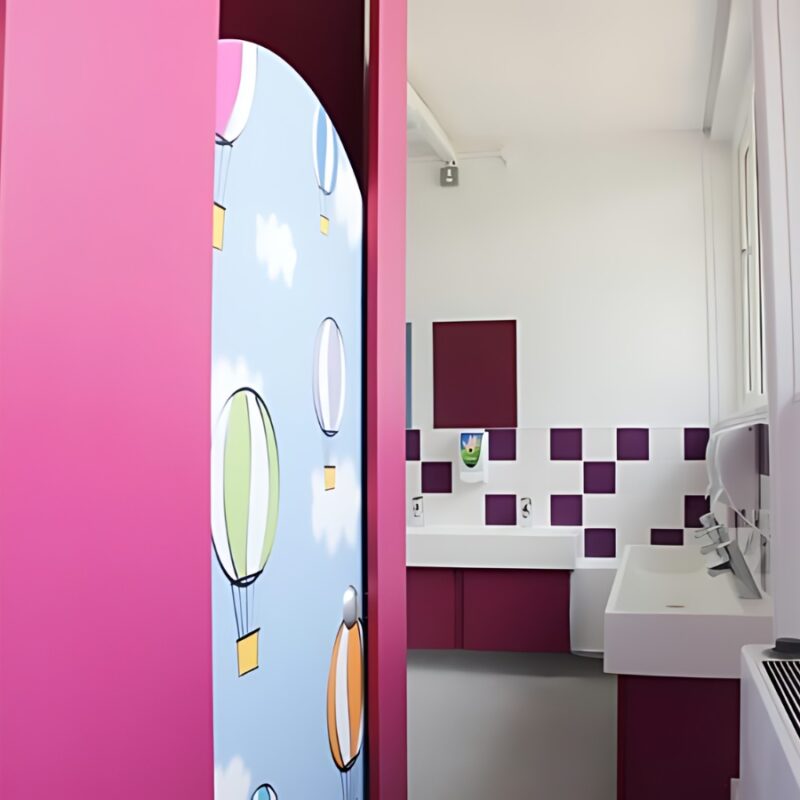
Designing for Safeguarding, Behaviour and Wellbeing
Modern school interior design goes far beyond aesthetics. Today, schools are balancing increasing expectations around safeguarding, student wellbeing, and budget pressures, and the built environment plays a key role in all three.
In practical terms, this often includes:
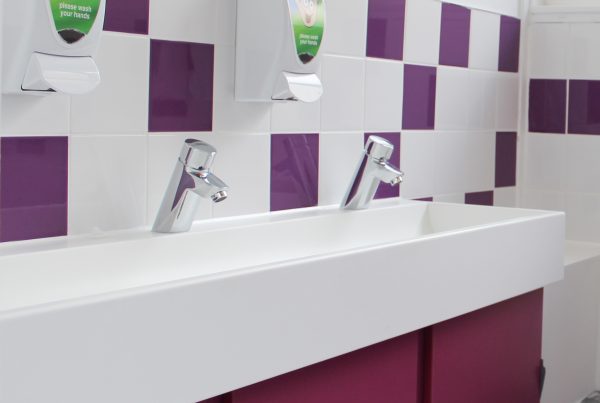
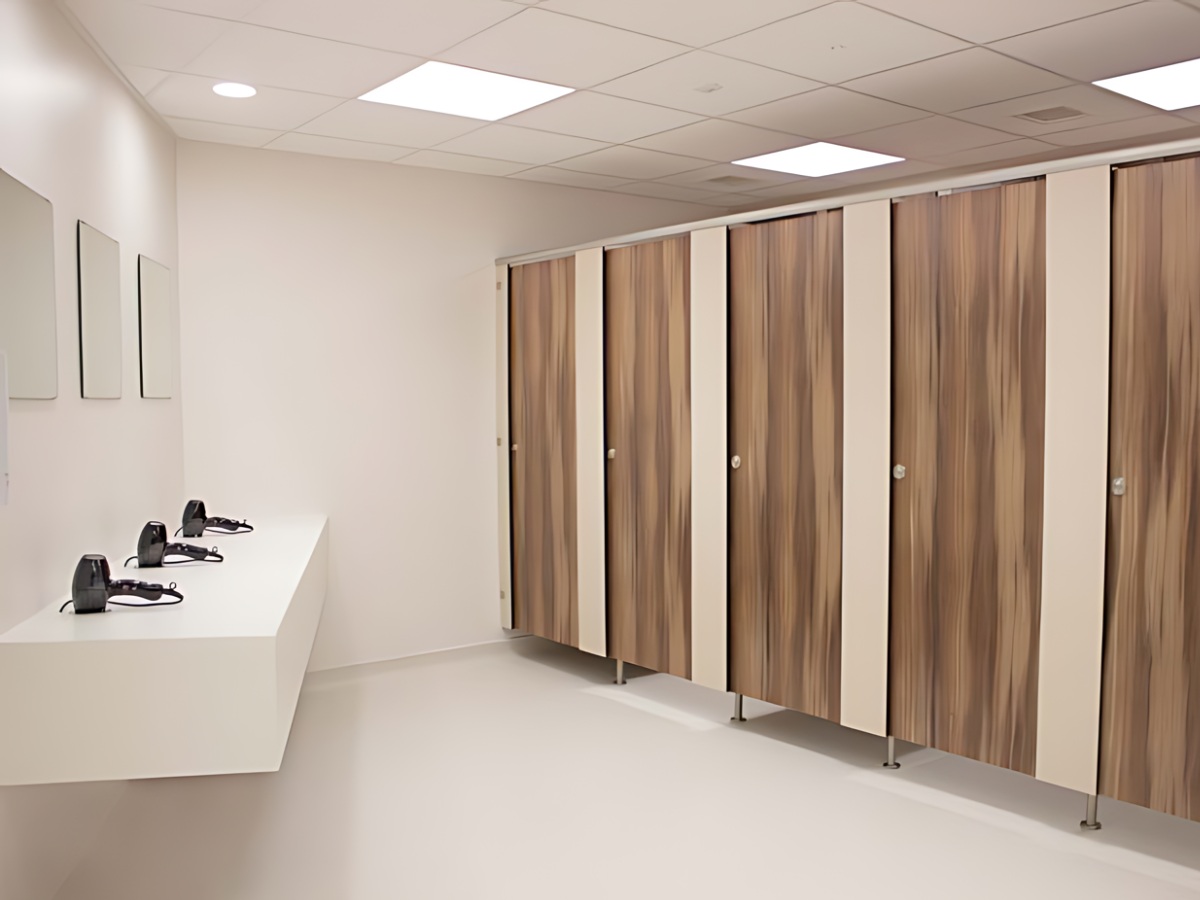
Many schools are moving towards open or semi-open washroom layouts with wider entrances and improved sightlines. These reduce hidden areas, allow passive supervision, and help tackle issues such as bullying and vandalism.
Anti-ligature and robust specifications
Particularly in secondary schools and SEND environments, fixtures and fittings are being selected with safety in mind. Anti-ligature cubicles, tamper-proof fixings, and impact-resistant materials create safer spaces while also reducing maintenance.
Durability and vandal resistance
With tight budgets, schools need interiors that last. Hard-wearing finishes such as solid-grade laminate cubicles, reinforced doors, and hygienic wall systems minimise ongoing repair costs and reduce disruption.
Spaces for emotional regulation
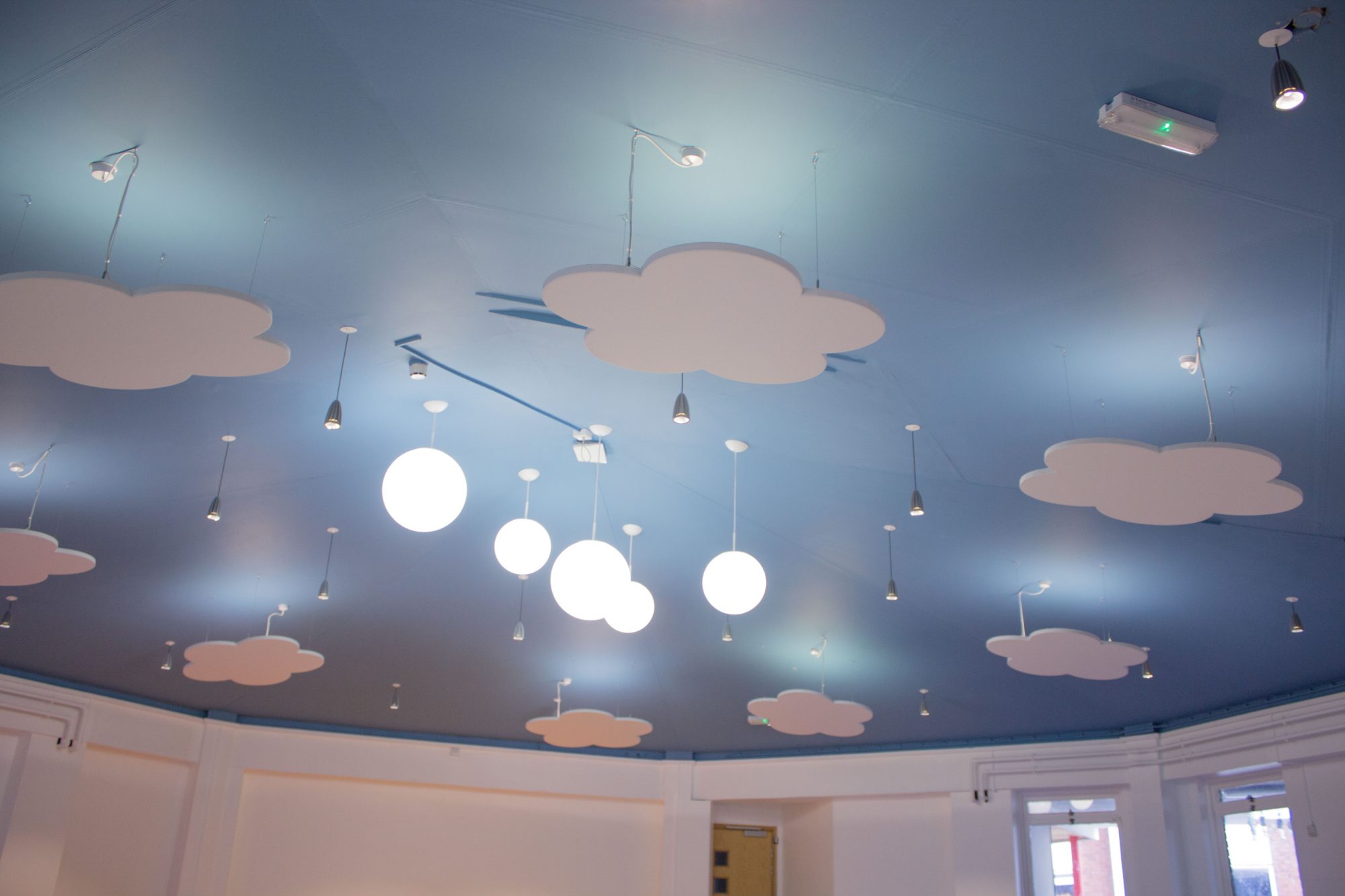
More schools are recognising the importance of providing areas where students can reset. Whether it’s a quiet room, nurture space, or small breakout area, these environments support wellbeing and help manage behaviour more effectively.
Primary School Interior Design: Creating Spaces That Nurture and Support
In primary schools, the environment plays a crucial role in helping children feel settled and ready to learn.
Key considerations include:
Comfort and familiarity
Spaces should feel safe and approachable, helping children settle quickly and engage with learning.
Flexibility
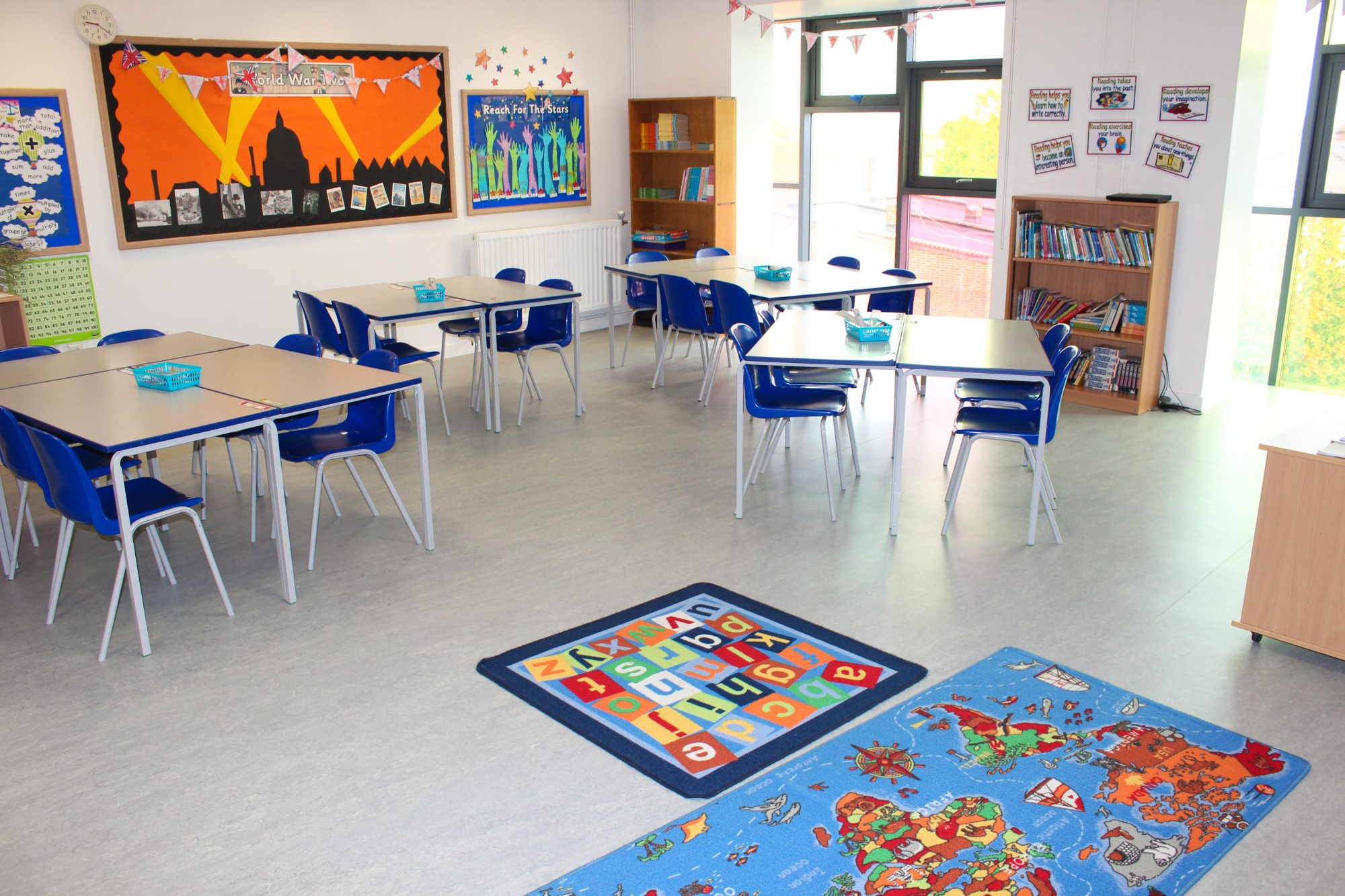
Primary classrooms are constantly evolving throughout the day. Furniture and layouts need to adapt easily to support a range of activities.
Clear zoning
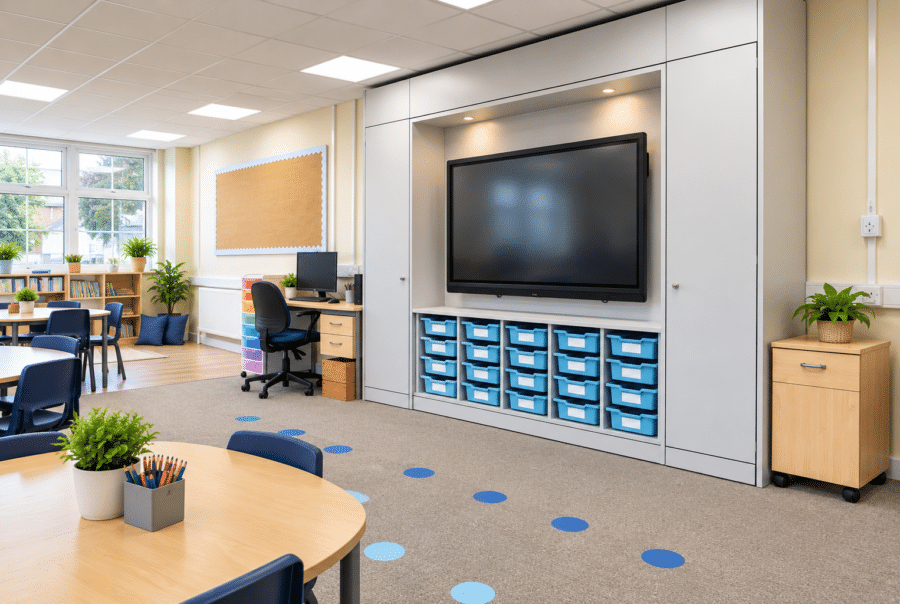
Defined areas help children understand expectations and navigate their environment independently, supporting both learning and behaviour.
Scaled design
Furniture, storage, and facilities should be designed specifically for younger users, encouraging independence and confidence.
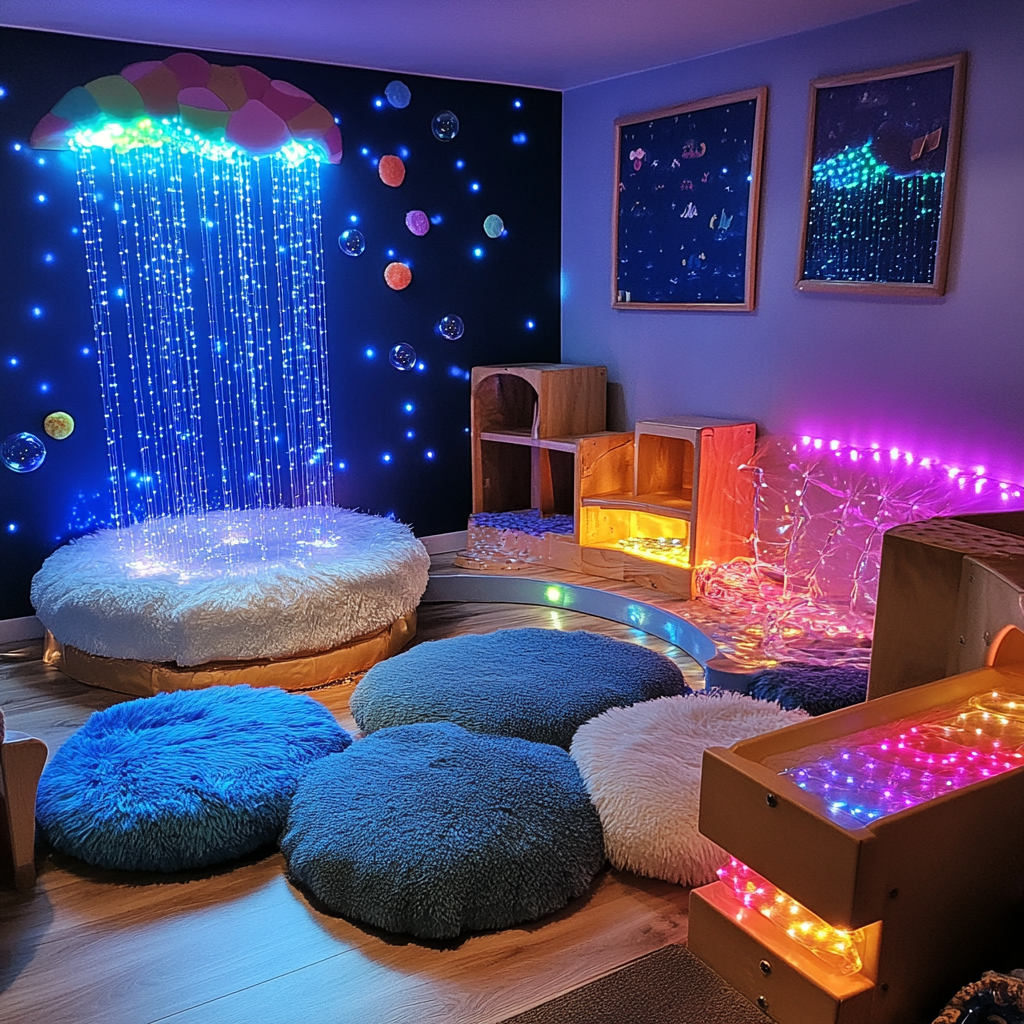
SEND and sensory considerations
Increasingly, primary schools are incorporating sensory-friendly design. Thoughtful use of acoustics, lighting, and quiet zones can make a significant difference for pupils who need additional support.
Secondary School Interior Design: Supporting Independence and Accountability
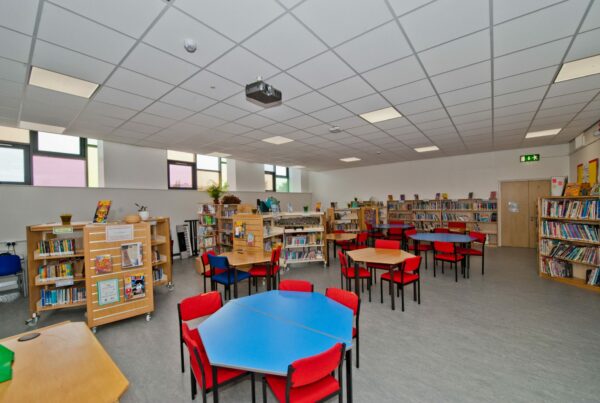
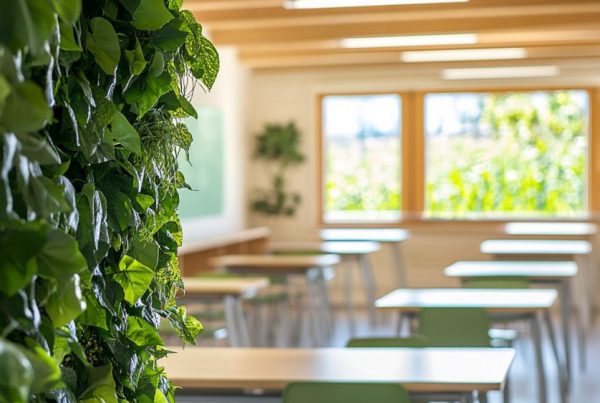
As students move into secondary education, their expectations of the environment change. Spaces need to feel more mature, structured, and capable of supporting independent learning.
Key elements include:
A more grown-up aesthetic
Neutral palettes, clean lines, and durable finishes create a more professional environment.
Encouraging independence
Clear wayfinding and accessible resources support students in managing their own time and learning.
Behaviour-aware layouts
Improved visibility, reduced bottlenecks, and fewer unsupervised areas can have a direct impact on behaviour across the school.
Durability for high use
Secondary environments require robust materials that can withstand heavy daily use while maintaining a high-quality finish.
Social and wellbeing spaces
Common Room areas allow students to reset, collaborate, and manage the pressures of the school day.
Supporting Staff as Well as Students
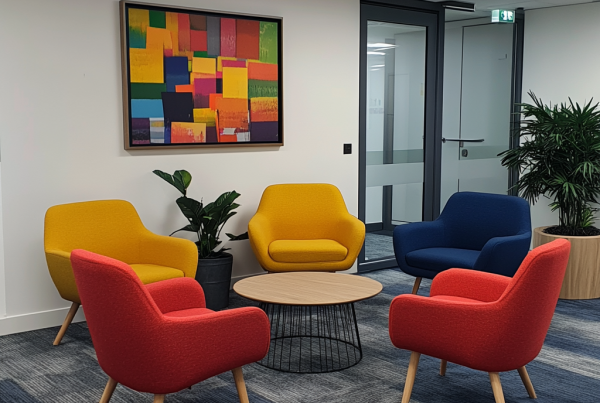
While much of school design focuses on students, staff spaces are just as important. With increasing pressures on recruitment and retention, schools are investing more in environments that support staff wellbeing.
Comfortable staff rooms, functional offices, and breakout areas provide somewhere to recharge. A well-designed staff environment can improve morale, productivity, and the overall performance of the school.
Bridging the Gap Between Primary and Secondary
One of the biggest challenges in school design is supporting the transition between stages. Moving from primary to secondary can feel like a significant shift, and the physical environment plays a role in how smooth that transition feels.
By gradually introducing more structured layouts, mature finishes, and flexible breakout spaces, schools can create a natural progression that supports both emotional and academic development.
How CID Studyspace Supports Schools
At CID Study.space, we understand that school design isn’t just about how a space looks, it’s about how it performs.
From safeguarding-led washroom layouts to durable, low-maintenance finishes, we design environments that respond to the real challenges schools face today. We work closely with leadership teams, site managers, and stakeholders to ensure every space is practical, compliant, and built to last.
Our Featured Projects
Shelley Primary School
Read More
St Martin’s School
Read More