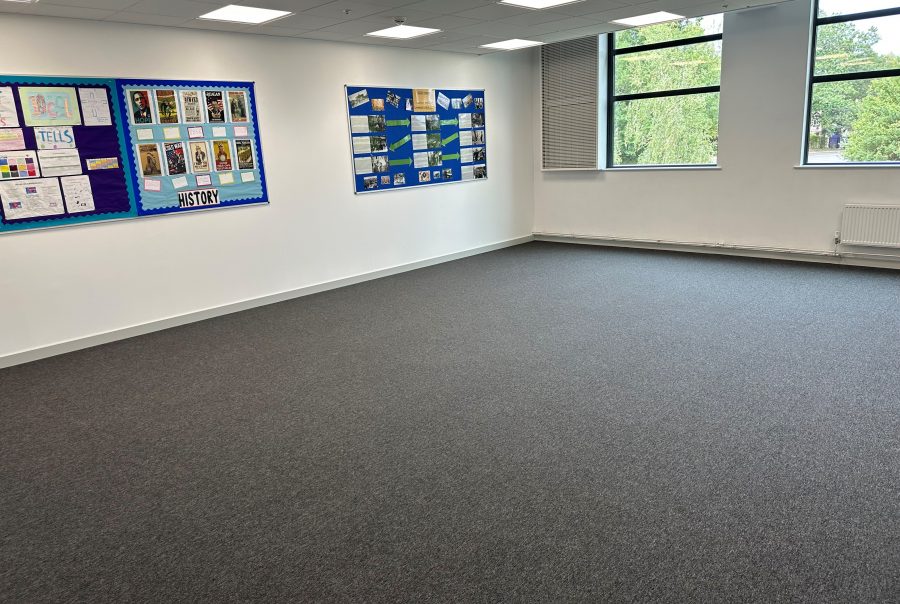

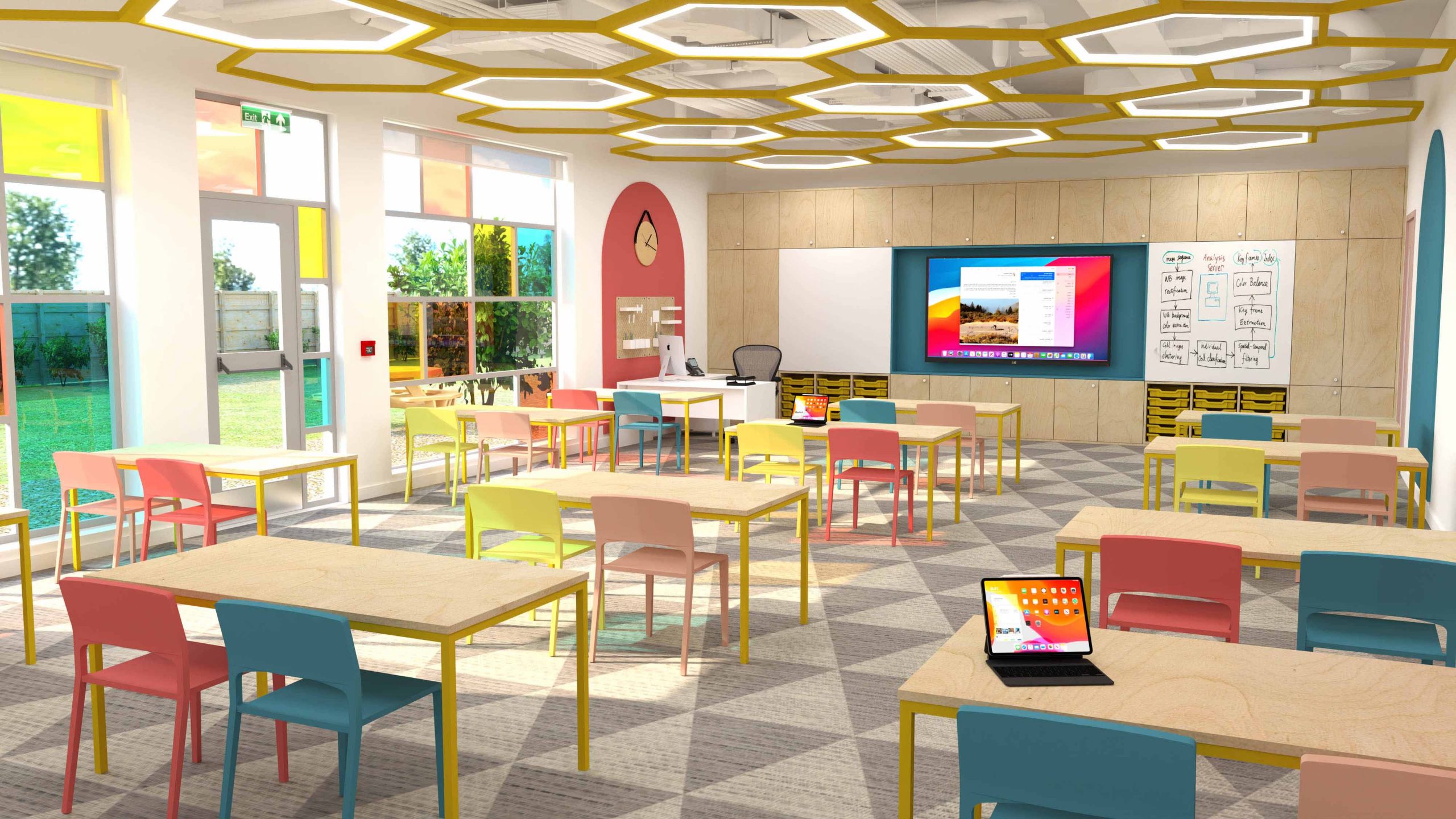
Designing better learning environments for students is about far more than creating classrooms that simply look modern. Today’s schools are under increasing pressure to improve pupil wellbeing, support SEND requirements, raise attainment, manage behaviour challenges and create environments that positively support both students and staff.
As educational priorities evolve, schools, academies and multi-academy trusts are increasingly recognising the direct impact that the physical environment can have on learning, behaviour, attendance and emotional wellbeing. At CID Studyspace, we specialise in designing better learning environments that create safe, flexible and inclusive learning environments designed around the realities of modern education.
Why Learning Environment Design Matters
Research increasingly shows that the design of educational spaces can directly influence student engagement, concentration and academic performance. One of the most widely referenced studies in this area, the University of Salford’s Clever Classrooms research project, found that better-designed learning environments and classrooms can positively impact pupil learning progress through factors such as natural light, acoustics, temperature, flexibility and colour.
This aligns closely with the priorities within Ofsted’s Education Inspection Framework (EIF), which places significant emphasis on behaviour and attitudes, personal development, safeguarding, wellbeing and creating environments conducive to learning.
A successful learning environment should support:
- Focus and concentration
- Emotional wellbeing and regulation
- Positive behaviour and attendance
- Collaboration and communication
- SEND and neurodiverse learners
- Staff wellbeing and workload reduction
- Accessibility and inclusion
- Safety, safeguarding and supervision
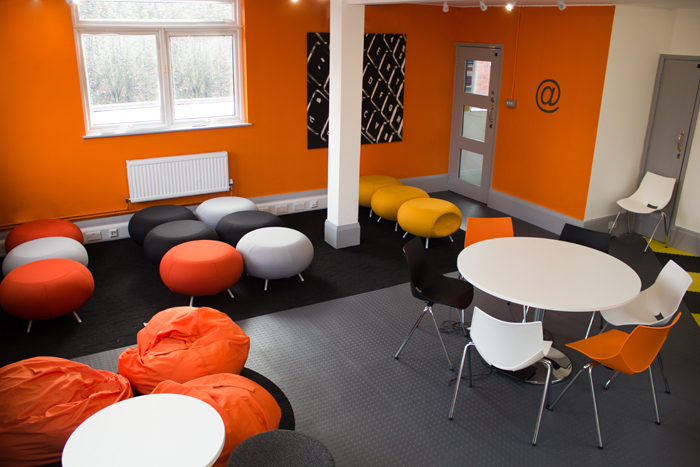
Schools are increasingly moving away from the traditional “rows of desks” classroom model towards more flexible and adaptable educational spaces that better reflect modern teaching methods and varied learning styles.
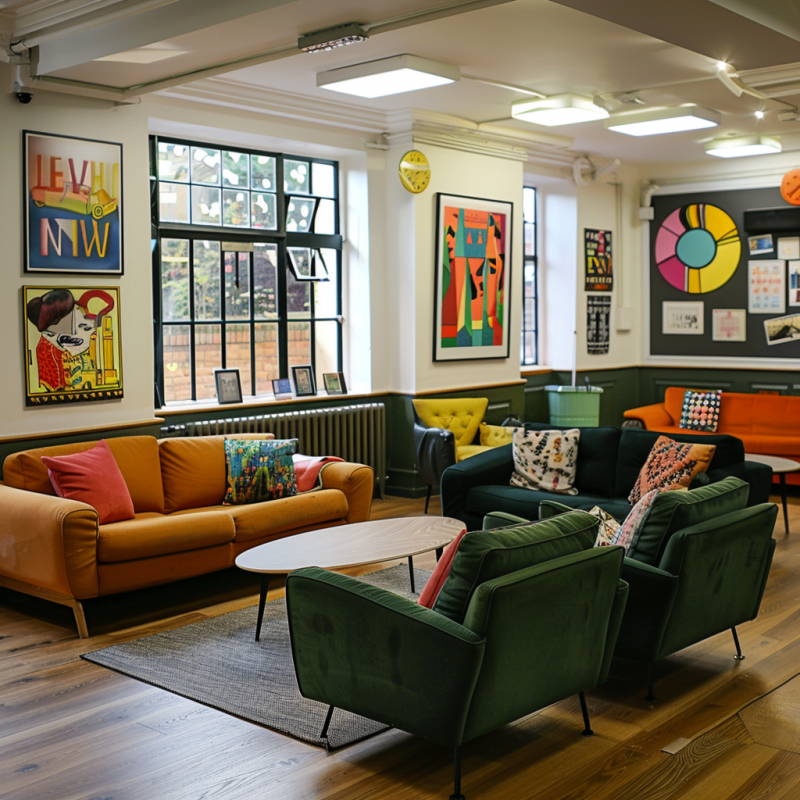
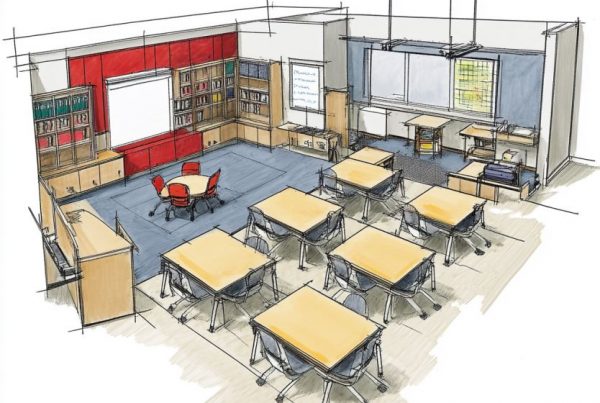
Flexible learning environments are becoming increasingly important across primary schools, secondary schools, sixth forms and specialist education settings. Modern teaching approaches often require spaces to quickly adapt between independent learning, collaborative group work, interventions, presentations and quiet focus sessions.
Educational interior design now frequently includes:
- Flexible classroom layouts
- Moveable and modular furniture
- Breakout learning zones
- Small group intervention spaces
- Quiet reflection or sensory areas
- Multi-functional teaching spaces
- Integrated educational technology
- Informal learning and social spaces
This flexibility, integrated into the design of better learning environments, is particularly important when supporting pupils with SEND and SEMH (Social, Emotional and Mental Health) needs. Many schools are now adopting more inclusive and trauma-informed approaches to learning environments, recognising that overstimulating or poorly designed spaces can negatively affect concentration, anxiety levels and emotional regulation.
At CID Studyspace, we work closely with schools to ensure spaces are not only visually engaging, but also practical, inclusive and supportive of a wide range of learning needs.
SEND, Inclusion and Neurodiverse-Friendly Design
With increasing awareness of neurodiversity within education, many schools are reviewing how their physical environments support pupils with autism, ADHD, sensory processing needs and anxiety-related conditions.
Inclusive educational design may include:
- Improved acoustic control to reduce noise overload
- Calmer colour palettes and reduced visual clutter
- Sensory breakout spaces
- Clear wayfinding and circulation routes
- Adjustable lighting solutions
- Biophilic design elements and natural materials
- Furniture that supports different learning styles and physical needs
The Equality Act 2010 places a duty on schools to ensure accessibility and inclusivity for all learners, making the design of better learning environments focused on students increasingly important not only from a wellbeing perspective but also from a compliance standpoint.
Safeguarding and Behaviour-Focused School Design
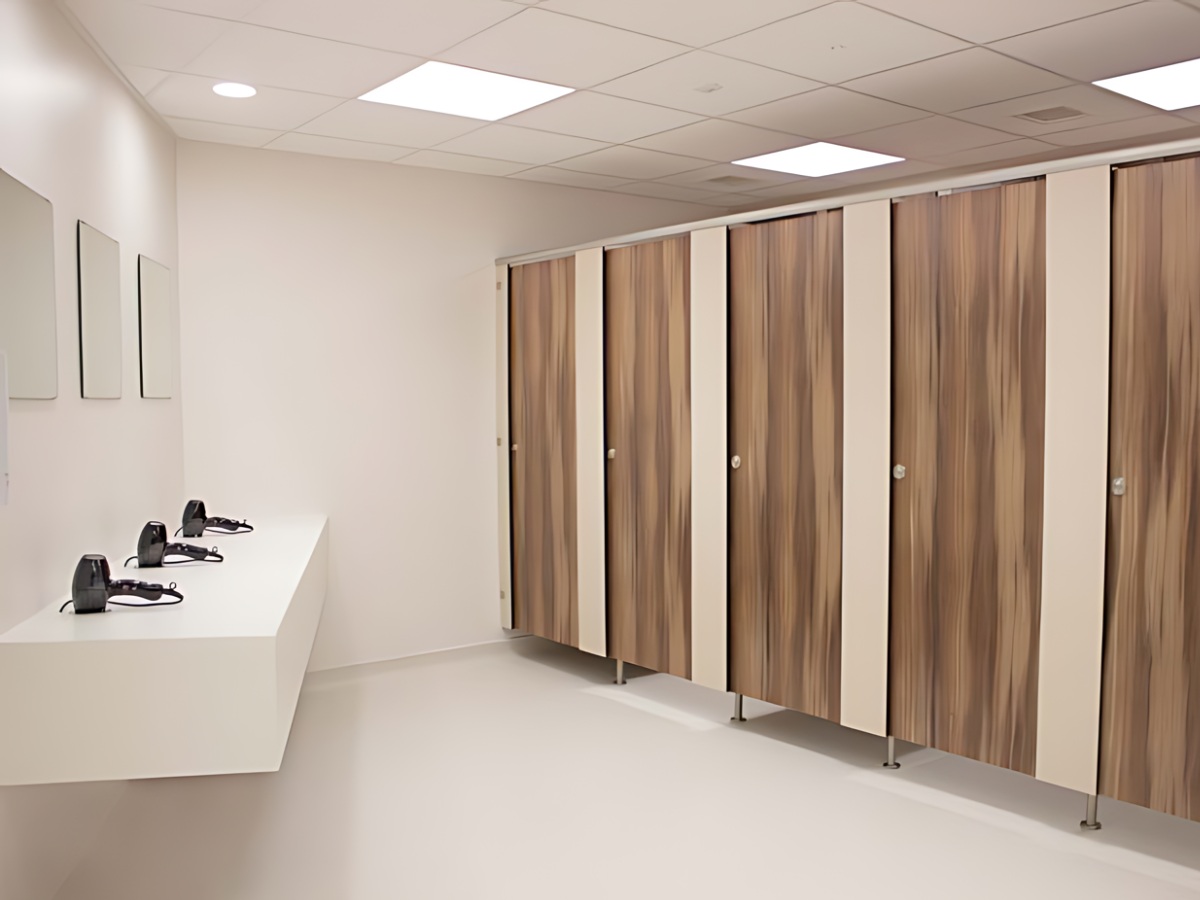
Safeguarding is now a key consideration within school refurbishment and educational interior design projects. Schools are increasingly seeking environments that support passive supervision, minimise bullying opportunities and create safer spaces for students and staff.
This is particularly relevant in areas such as washrooms, corridors, breakout spaces and changing facilities. Many schools are now investing in:
- Anti-vandal washroom solutions
- Anti-ligature fixtures and fittings
- Open-plan or widened washroom entrances for improved supervision
- Durable, easy-clean finishes
- Improved visibility and sightlines
- Zoned spaces to support behaviour management
At CID Studyspace, we understand the operational and safeguarding pressures schools face daily. Our experience working within live educational environments allows us to design spaces that balance student independence with safety, durability and long-term practicality.
The Importance of Acoustics, Lighting and Air Quality
Environmental factors such as acoustics, lighting and ventilation are often overlooked, yet they can have a significant impact on concentration, fatigue and behaviour.
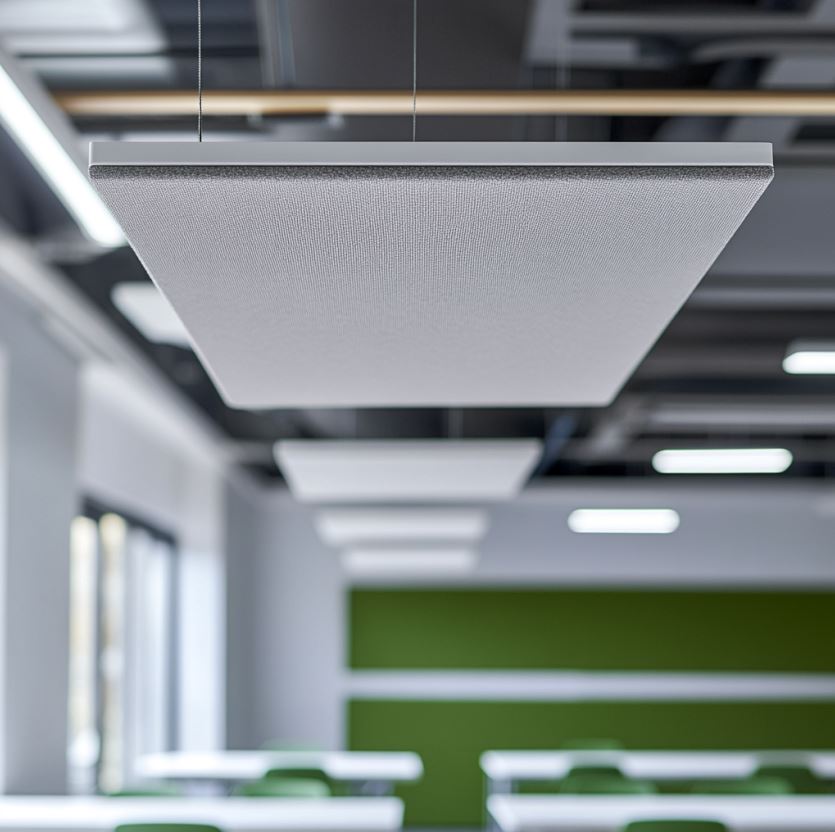
Poor acoustics can make it difficult for students to process information, particularly for younger learners and pupils with additional learning needs. Similarly, inadequate lighting and ventilation can negatively affect attention, energy levels and overall comfort.
When designing better learning environments, you should therefore consider:
- Acoustic ceiling panels and wall treatments
- Maximising natural daylight
- Energy-efficient LED lighting
- Ventilation and indoor air quality
- Thermal comfort
- Durable, low-maintenance materials
These considerations are also increasingly important as schools work towards wider sustainability and Net Zero goals in line with Department for Education guidance.
Designing for Staff Wellbeing and Retention
While much of the focus is understandably placed on pupils, schools are also increasingly aware of the importance of staff wellbeing and retention. Teachers and support staff spend long hours within educational environments, and the quality of these spaces can significantly influence morale, stress levels and productivity.
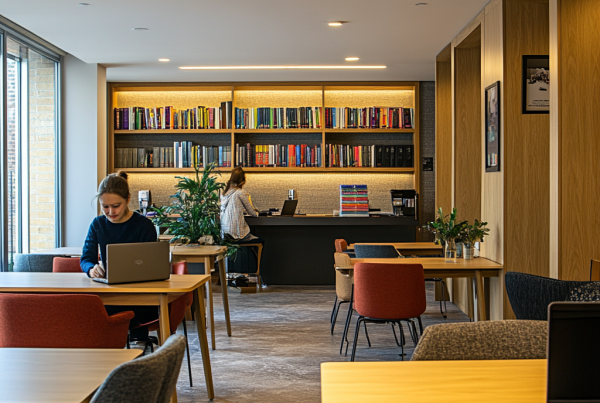
Modern staffrooms, planning spaces, meeting rooms and wellbeing areas can help schools create more supportive working environments for their teams. Thoughtful educational design can also improve circulation, reduce overcrowding and create calmer, more organised spaces that positively support day-to-day operations.
Delivering School Refurbishment Projects with Minimal Disruption
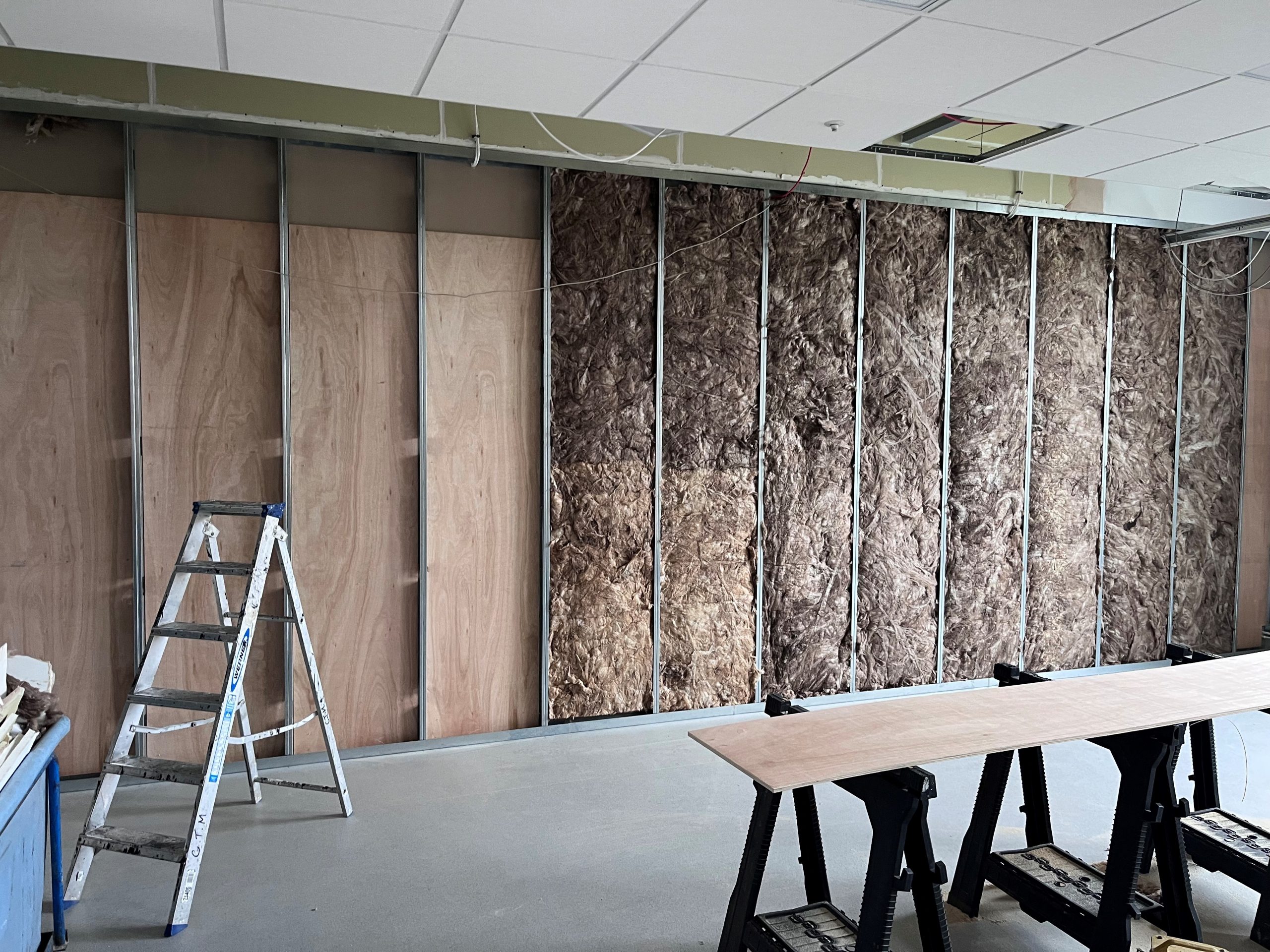
At CID Studyspace, we understand the logistical challenges involved in delivering refurbishment projects within educational settings. Schools often need works completed within tight holiday periods, phased around live teaching environments or carefully coordinated to minimise disruption.
Our team regularly works within:
- Primary schools
- Secondary schools
- Academies and MATs
- Nurseries and EYFS settings
- Specialist education environments
We provide DBS-checked contractors and carefully plan works around safeguarding requirements, access restrictions and operational school needs.
How CID Studyspace Can Help
At CID Study.space, we believe designing better learning environments should do more than simply accommodate learning. They should actively support wellbeing, inclusion, engagement and academic success.
Our education-focused design and refurbishment services help schools create:
- Flexible learning environments
- Inclusive SEND-friendly spaces
- Safeguarding-conscious washrooms and communal areas
- Modern staff wellbeing spaces
- Durable, future-focused educational interiors
Whether you are planning a classroom refurbishment, toilet refurbishment, nursery fit out, breakout space or full school modernisation project, our team can help create educational environments designed around the needs of today’s students, teachers and school leaders.
To discuss your next education refurbishment project, contact CID Studyspace today.
Our Featured Projects
Boarding at Westminster Cathedral Choir School
Read More
Westminster Cathedral Choir School
Read More