
The government recently announced a major investment of £4 billion over three years to improve the Special Educational Needs and Disabilities system in England. The funding includes £1.6 billion through the Inclusive Mainstream Fund to support early intervention in schools and £1.8 billion for specialist support services through the Experts at Hand programme. Alongside this, further funding is being directed towards improving SEND infrastructure and expanding specialist provision.
A key aim of these changes is to strengthen the ability of mainstream schools to support pupils with additional needs. Rather than pupils travelling out of school to receive specialist support, many children will increasingly receive targeted intervention within their own school environment. This shift means that the physical design of school buildings matters more than ever. SEND classroom design and inclusion classroom design can play a significant role in helping pupils access learning, regulate their behaviour and receive specialist support during the school day.
CID Study.space works with schools as SEND classroom design specialists to help them plan inclusive learning environments and make the best possible use of their existing space.
Reviewing Existing School Space
When schools begin thinking about how to design an inclusion centre in school buildings, many assume that significant construction work will be required. In reality, the process often begins with a careful review of the spaces that already exist. By examining existing floor plans and understanding how rooms are currently used, it is often possible to identify areas that could become intervention rooms, inclusion classrooms or small group teaching spaces. Underused offices, storage rooms or library corners can sometimes be transformed into highly effective support spaces.
As inclusion classroom design specialists, we help schools assess their buildings and explore how SEND classroom design principles can be applied to the spaces they already have.
Designing Classrooms That Support Additional Needs
Effective SEND classroom design begins with understanding how different pupils experience the classroom environment. Children with autism may find busy classrooms overwhelming because of noise levels and visual stimulation. Pupils with ADHD often struggle to focus in environments that contain excessive visual clutter. Children with dyslexia may find harsh lighting and glare uncomfortable when reading. Pupils with dyspraxia or mobility challenges may require more flexible seating and desk layouts that allow them to move comfortably.
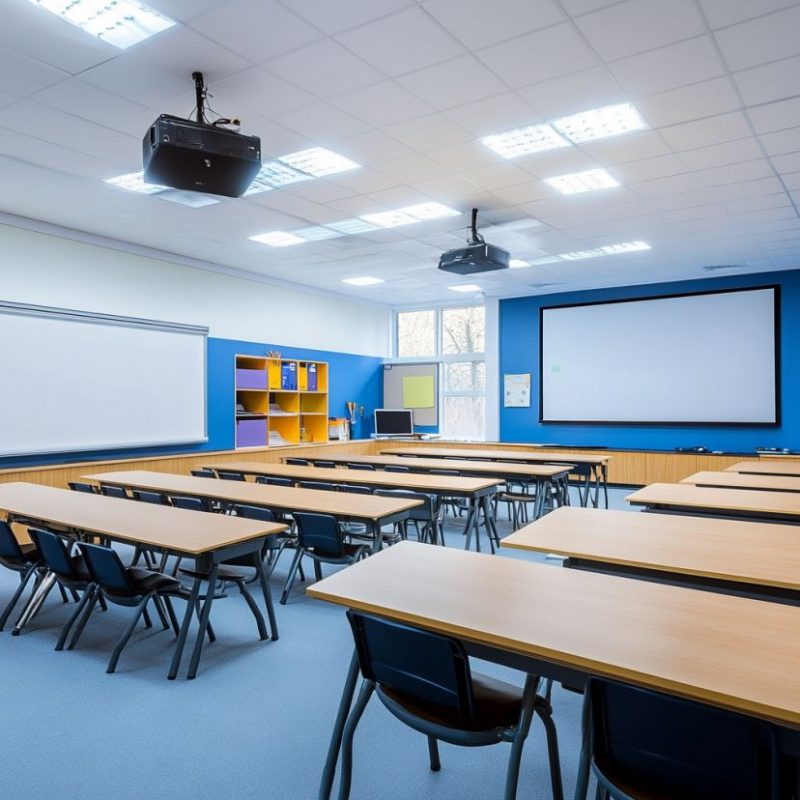
As classroom design specialists therefore, we look carefully at the physical environment. Calmer colour schemes, organised storage and thoughtful display areas can help reduce cognitive overload. Improved acoustics can help pupils who struggle with auditory processing or who are sensitive to noise. Lighting levels and colour temperature can also influence how comfortable a classroom feels. These design adjustments often support every pupil in the room, not just those with identified SEND needs.
Designing Schools That Can Host Specialist Support
Another important shift in SEND provision is that more specialist professionals are now working directly within schools. A wide range of professionals may visit schools to support pupils during the school day. These can include Speech and Language Therapists, Educational Psychologists, Occupational Therapists, Physiotherapists and behavioural specialists. Schools may also work with mental health practitioners or specialist teachers who support pupils with autism, visual or hearing impairment.
As schools host more specialist services, buildings need spaces that allow these professionals to work effectively. Many of these practitioners require quiet rooms where they can assess pupils, deliver therapy sessions or meet with teaching staff and parents. As classroom design specialists we can help schools plan environments that allow these professionals to work comfortably within the school setting.
Intervention Rooms and Speech Therapy Spaces
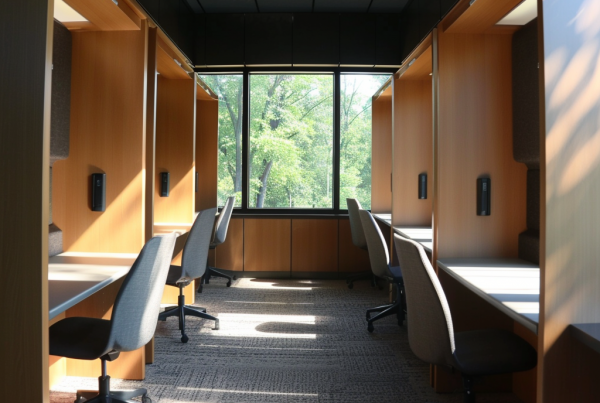
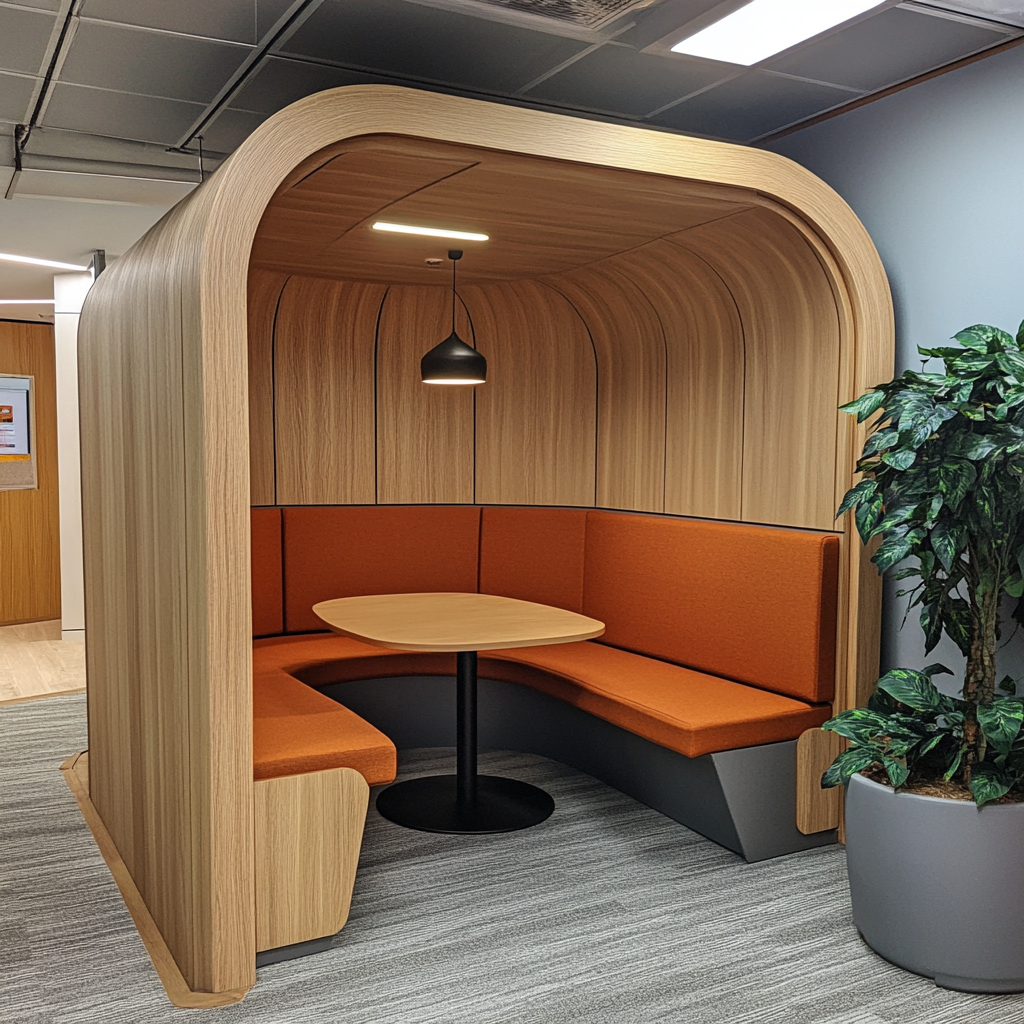
As early intervention becomes more common, many schools are creating dedicated intervention rooms where pupils can work in smaller groups with teaching assistants or visiting specialists. Speech and language therapy is one example where the physical environment can make a significant difference. Clear communication is essential for effective therapy; background noise can quickly disrupt sessions. Acoustic booths or small enclosed meeting spaces can provide excellent conditions for speech therapy, reading assessments and one-to-one support sessions. These spaces improve sound quality and create privacy without requiring large permanent rooms. CID Study.space can help schools integrate these types of spaces into existing buildings so that visiting professionals can work effectively with pupils.
What Facilities Inclusion Centres Need
As schools expand SEND provision, many are creating dedicated inclusion centres within the school building. When schools ask how to design an inclusion centre in school environments, the goal is usually to create a flexible space that supports a range of interventions.
A well-designed inclusion centre may include several different types of rooms. Small teaching rooms allow pupils to receive targeted literacy or numeracy support in a quieter environment. Therapy rooms provide space for speech and language therapy, counselling or occupational therapy sessions. Acoustic booths allow one-to-one conversations to take place clearly without distraction.
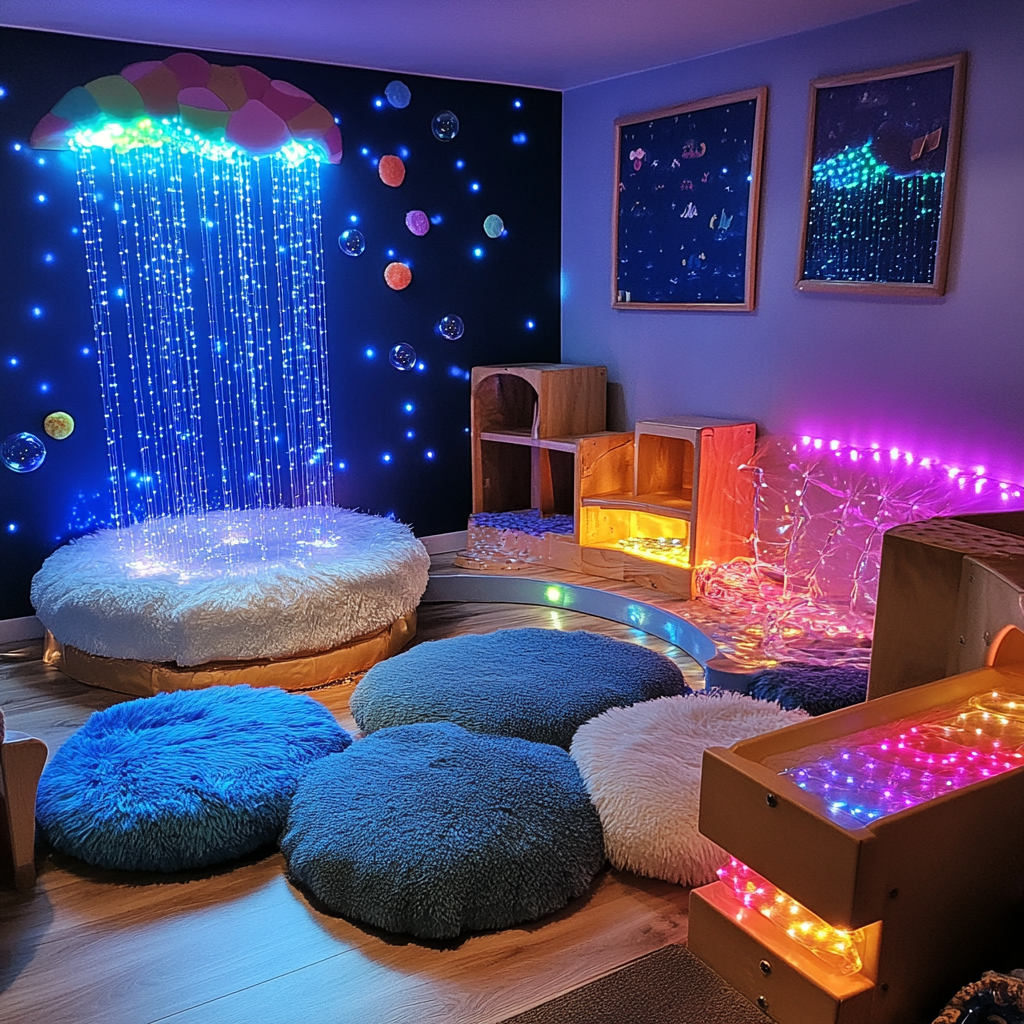
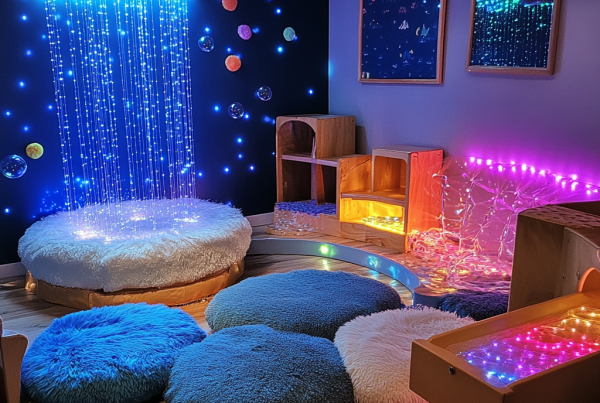
Some schools also benefit from sensory regulation rooms where pupils can calm themselves before returning to class. These spaces often use softer lighting, simple colour schemes and comfortable seating to create a predictable environment that helps pupils regulate their emotions.
Meeting rooms for visiting professionals are another useful feature. Educational psychologists and specialist teachers often need private spaces where they can carry out assessments or speak with school staff and parents. When planned carefully, these facilities allow a school to support pupils who need significant help while still keeping them connected to the wider school community.
Sensory Regulation and Quiet Spaces
Many pupils benefit from having access to a quieter environment during the school day. Children with autism, anxiety or emotional regulation difficulties may need short breaks from the busy classroom environment in order to regain focus. Designing calm regulation spaces within schools can help pupils manage their emotions and return to learning more successfully. These spaces often include soft lighting, minimal visual distraction and comfortable seating.
Furniture and Accessibility
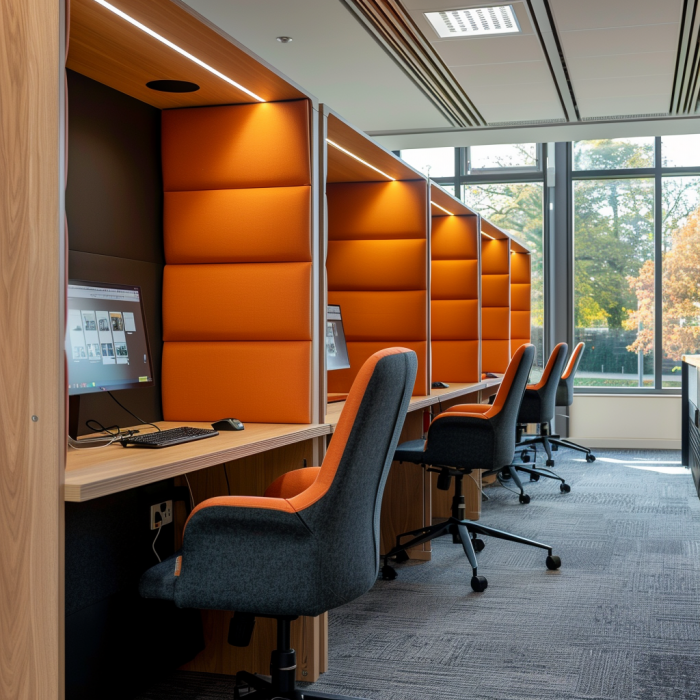
Furniture is another important element of SEND classroom design. Some pupils require seating that provides greater postural support, while others benefit from flexible seating arrangements that allow small amounts of movement while they work. Height-adjustable desks, supportive chairs and accessible layouts can help pupils with mobility challenges participate more comfortably in classroom activities.
Supporting Schools to Deliver Inclusive Learning Environments
The new government investment in SEND provision presents an opportunity for schools to strengthen their inclusive approach to education. While much of the funding supports staffing and specialist services, the design of school environments also plays an important role.
CID Study.space works as SEND classroom design specialists to help schools create effective learning environments for pupils with additional needs. By reviewing floor plans, identifying opportunities for intervention rooms and planning inclusion spaces, we help schools make the most of their existing buildings.
If your school is exploring SEND classroom design or considering how to design an inclusion centre in school buildings, CID Study.space would be happy to review your current layout and discuss how your spaces could support inclusive learning.
Our Featured Projects
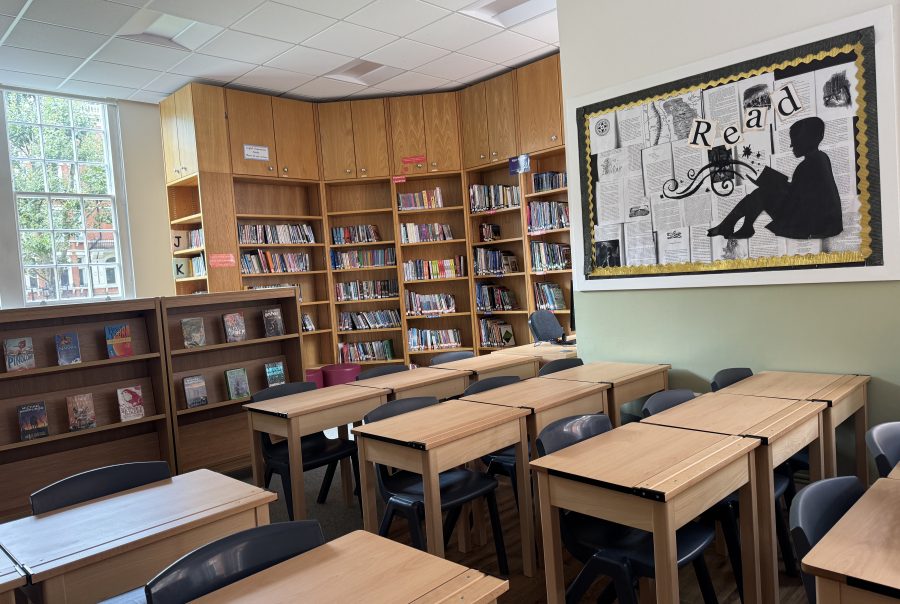
Westminster Cathedral Choir School
Read More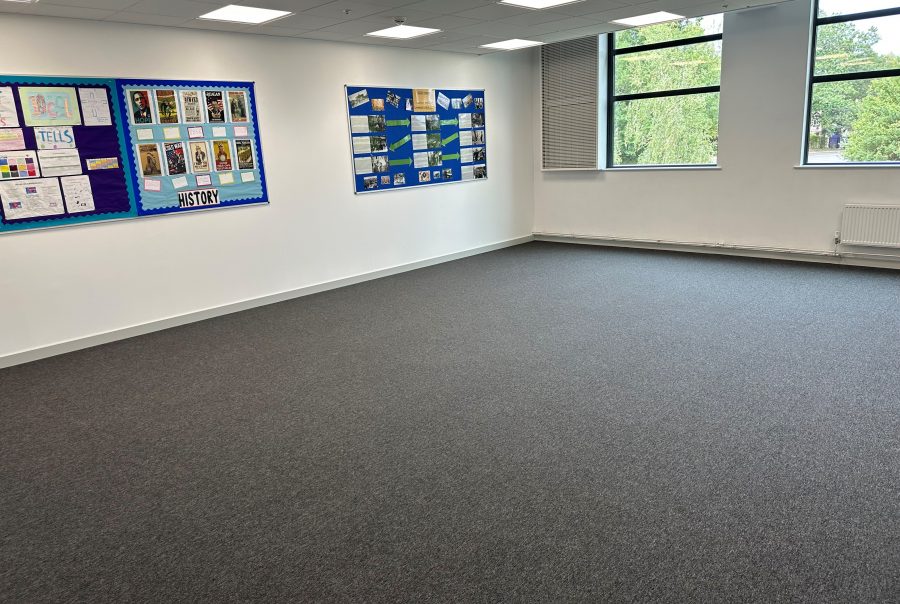
Trinity School Sevenoaks
Read More