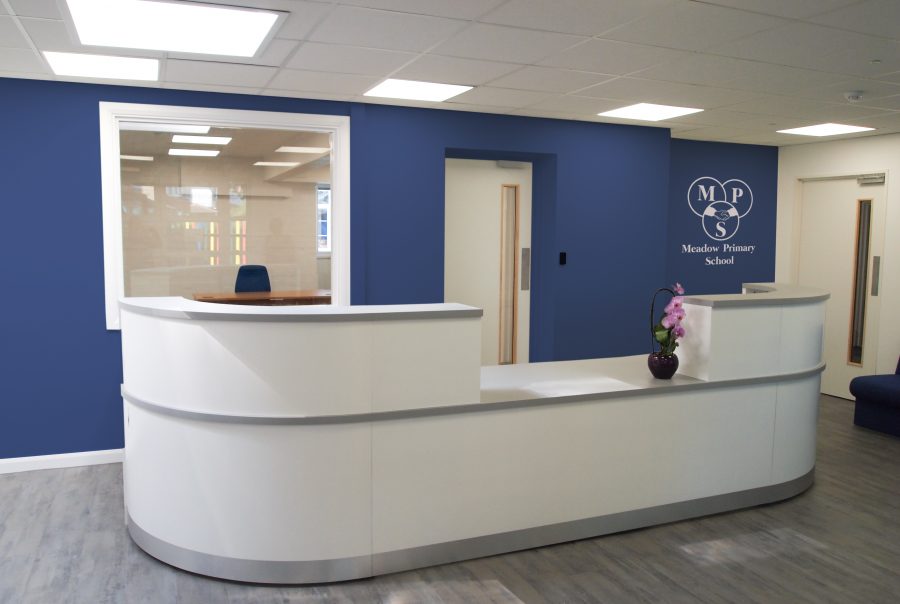

Many further education colleges are working within buildings that were designed decades ago. While these spaces have strong foundations, they were built for a very different style of education. Teaching methods, student expectations and technology have all evolved rapidly, and outdated environments can sometimes hold back both students and staff. Which is why college refurbishments are often taking place across the south east.
At Study.space, we specialise in helping colleges transform ageing classrooms, workshops and social spaces into modern learning environments that support today’s teaching methods. With thoughtful design and refurbishment, even the most tired spaces can be revitalised into inspiring areas that improve engagement, accessibility and student success.
Here’s how the right refurbishment strategy can help transform outdated college spaces.
Why A College May Need Refurbishment
Many UK colleges were originally built in the 1960s, 70s or 80s which now means that the internal layouts and facilities no longer match modern educational needs.
Common challenges we see in older college environments include:
- Fixed classroom layouts that limit flexible teaching
- Poor lighting or acoustics that affect concentration
- Limited space for collaboration or group learning
- Outdated furniture and storage systems
- Learning spaces that are not fully inclusive or accessible
These limitations can impact both teaching quality and student experience. A well-planned college refurbishment can address these issues while also future-proofing the learning environment.

Creating Flexible Learning Spaces
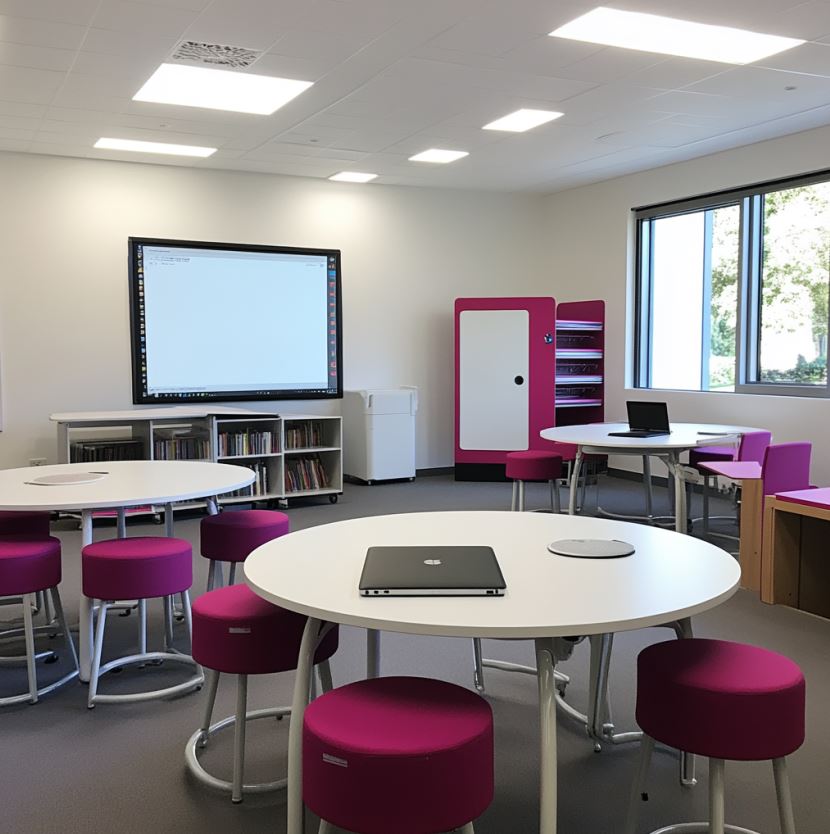
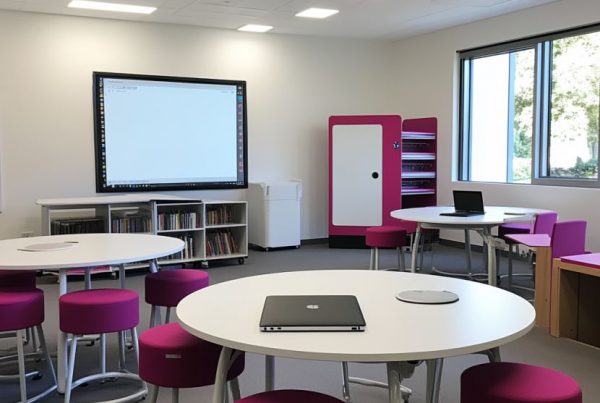
Modern teaching rarely follows a single format. Teachers may move between presentations, group discussions, independent work and digital learning within the same session.
Older classrooms designed around rows of fixed desks can restrict these teaching styles. A key part of college refurbishment is introducing flexible learning spaces that allow rooms to adapt to different teaching methods.
Flexible design allows educators to create more dynamic lessons and encourages students to engage more actively in the learning process.
Upgrading Specialist Learning Areas
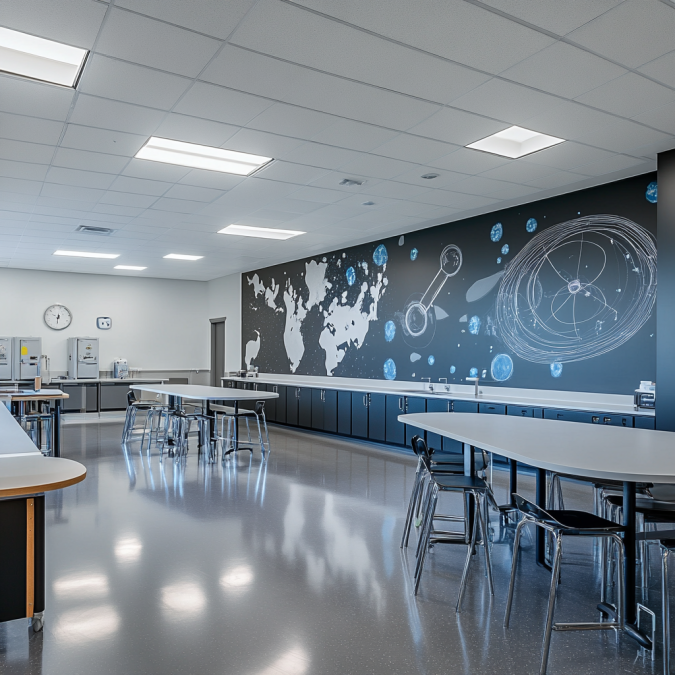
Many colleges offer vocational courses that require specialist environments, such as engineering workshops, construction training spaces or digital labs. These areas must replicate real-world working conditions while maintaining high safety standards.
College refurbishment projects often focus on upgrading these specialist facilities to ensure they reflect modern industry environments.
Improvements may include:
- Modern workshop layouts for vocational training
- Updated electrical infrastructure to support new equipment
- Improved safety systems and ventilation
- Dedicated practical learning zones for hands-on training
By creating industry-standard training environments, colleges can better prepare students for the workplace and improve employability outcomes.
Designing Inclusive Learning Environments
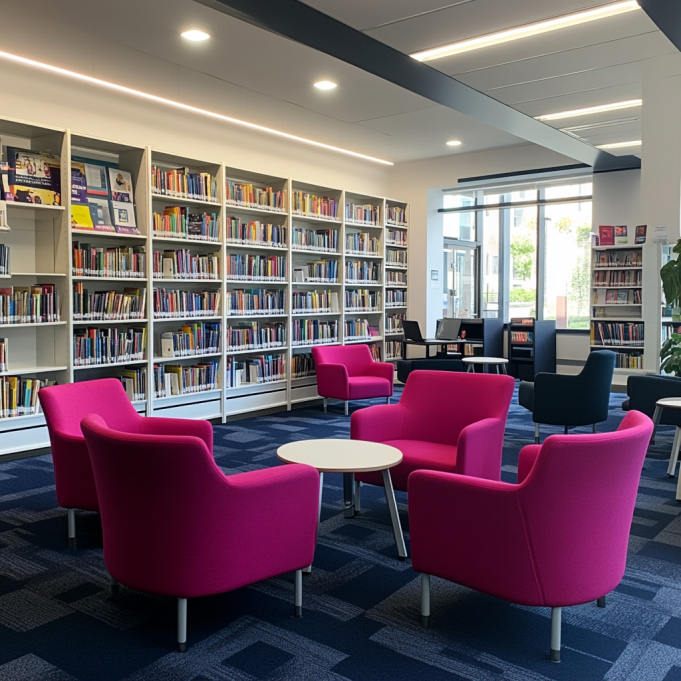
Inclusivity is a major priority for modern educational spaces. College environments must be accessible and supportive for students with a wide range of learning needs, including SEND and neurodiverse learners.
A well-designed refurbishment can introduce features that support inclusive learning without separating students from the wider classroom. This includes areas that reduce sensory overload, such as quite break out spaces and clear layouts. With accessible circulation routes and flexible seating options that support different learning preferences.
Inclusive design ensures that every student can access and benefit from the learning environment.
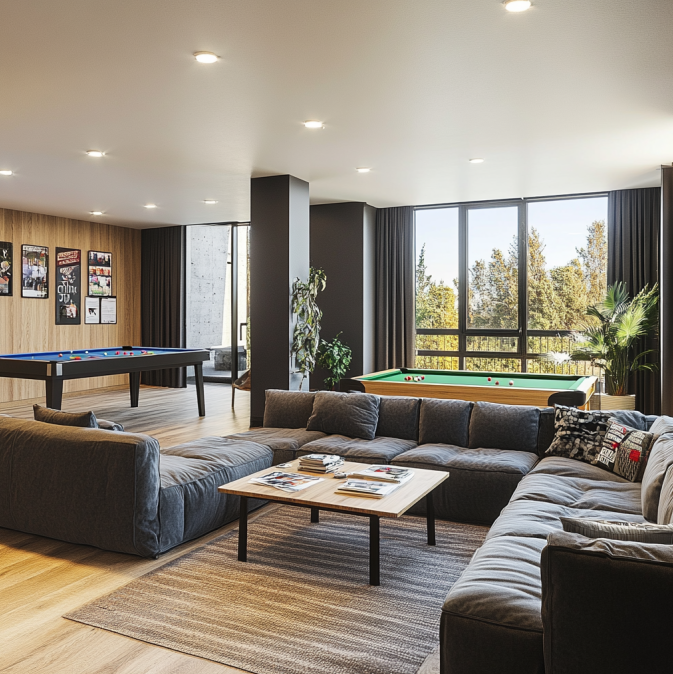
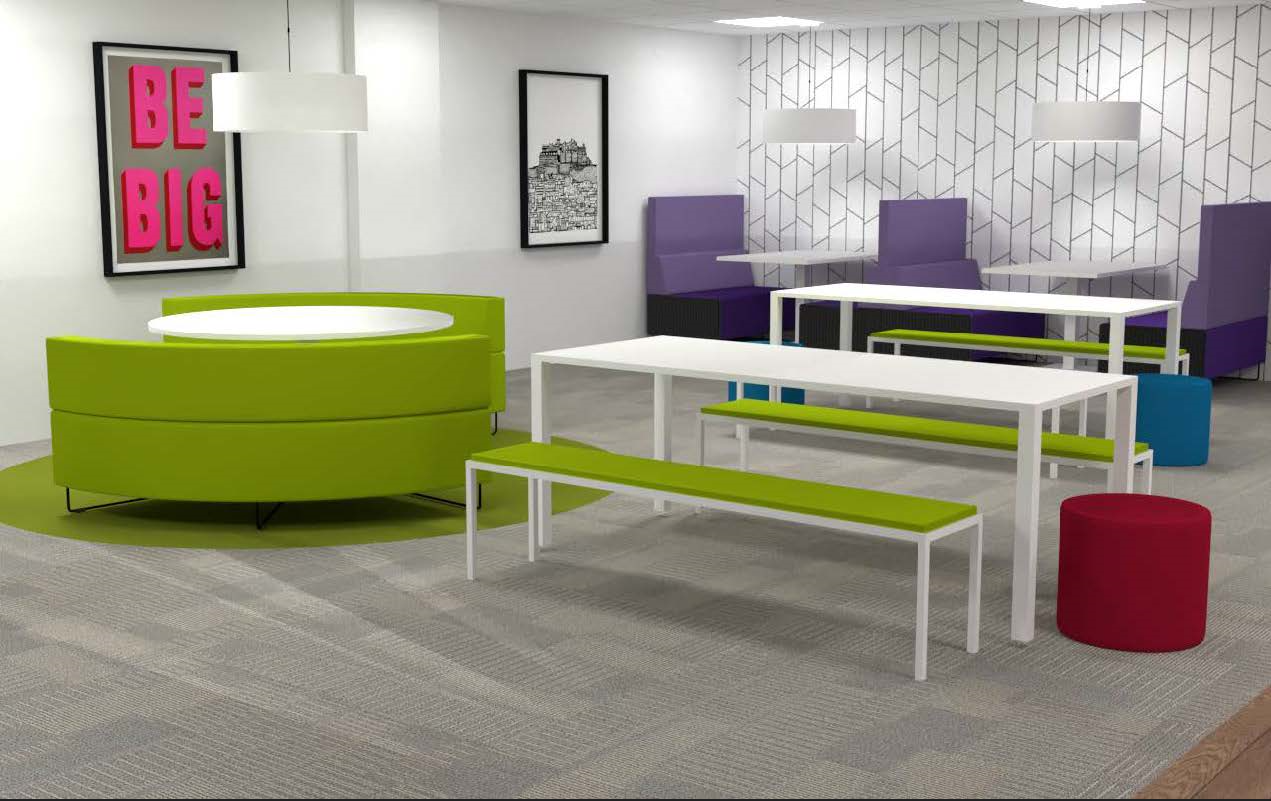
Improving Social and Informal Learning Spaces
Learning doesn’t only happen inside classrooms. Many students benefit from informal study areas, collaborative hubs, common rooms and social spaces where they can work together or relax between lessons. These areas are key step up from primary and secondary school education spaces, and can be the key elements which encourage students to enrol in a new college.
These areas help build a stronger sense of community across campus while supporting independent learning.
Future-Proofing College Buildings
A successful college refurbishment isn’t just about improving the present; it’s also about preparing spaces for the future. Education continues to evolve and learning environments must remain adaptable.
Many modern styles include moveable furniture that can constantly be rearranged for years to come when repurposing classrooms or just changing things up a bit. This approach helps colleges ensure their investment continues to support teaching and learning for many years to come.
Refurbishing College Spaces with Study.space
At Study.space, we work closely with colleges across the South East to design and deliver refurbishment projects that truly enhance the learning environment. Our approach combines thoughtful design with practical experience of how education spaces function day to day.
From classroom redesign to specialist workshop upgrades and campus-wide improvements, we help colleges transform outdated learning spaces into environments that inspire both students and educators.
A well-designed college refurbishment can make a lasting difference for years to come, proving a worthwhile investment whilst improving engagement, supporting modern teaching methods and creating spaces where students can thrive.
Our Featured Projects
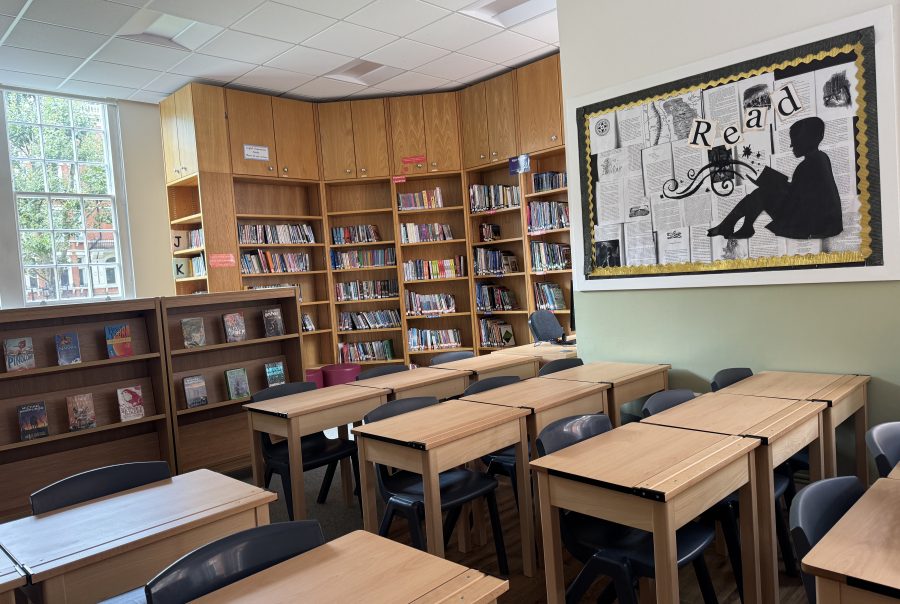
Westminster Cathedral Choir School
Read More
Trinity School Sevenoaks
Read More